
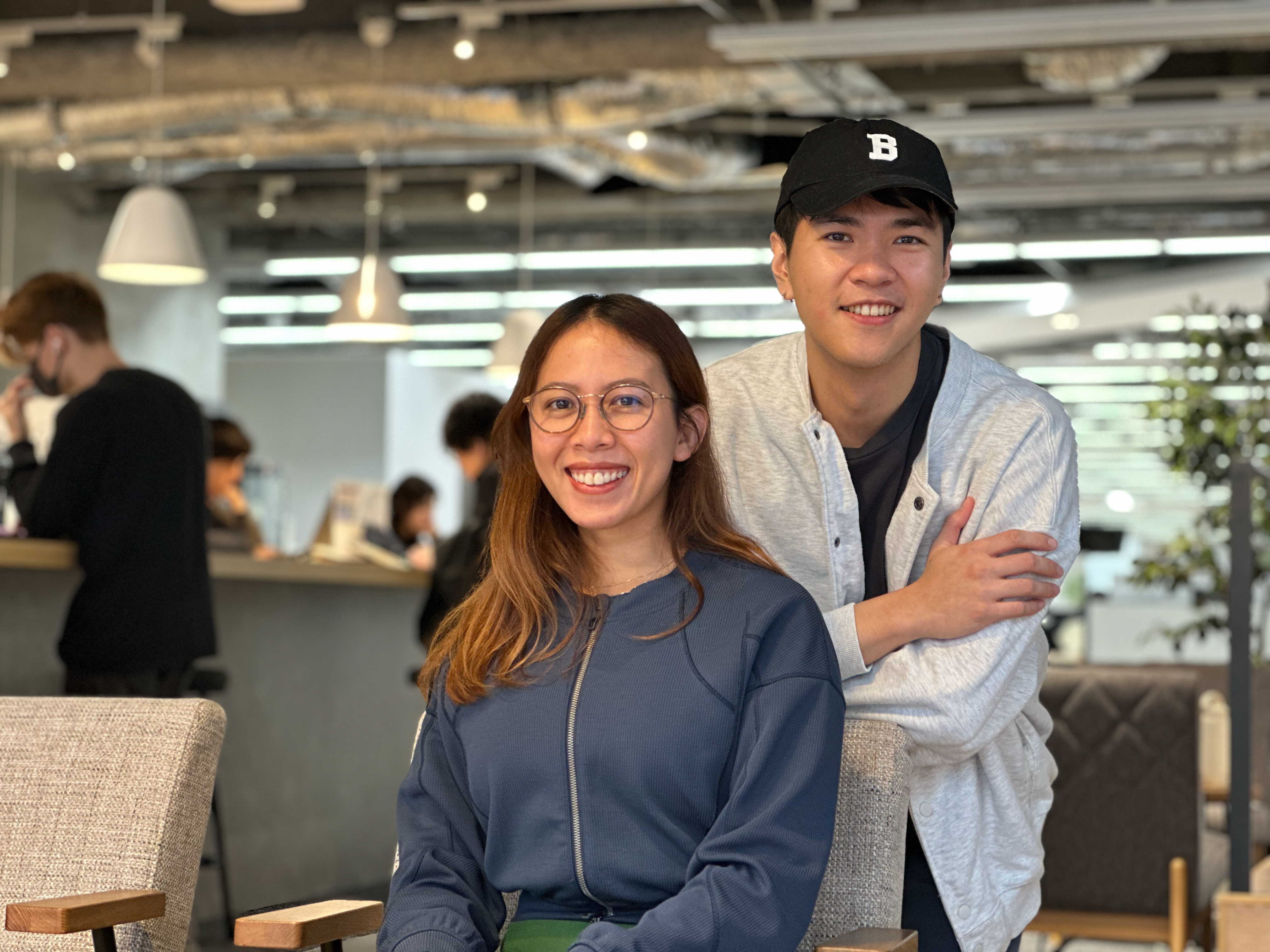

Cel Ogiya
Published on December 8, 2025
Started in 2013, HENNGE’s Global Internship Program (GIP) has been bringing together aspiring software engineers and early-career professionals from across Japan and around the world to Shibuya, Japan’s leading tech business hub. Over the course of 4 to 6 weeks, participants gain hands-on experience through real-world tech projects at HENNGE’s Shibuya headquarters.
Since its launch, the GIP has welcomed interns from over 170 countries and regions, continually fostering a diverse and inclusive environment that transcends borders and empowers the next generation of software engineers.
In this feature story, Kevin Hung and Yuricia Vebrina from the Engineering Talent Acquisition (ETA) team give us a behind-the-scenes look at the GIP. Discover what makes successful candidates stand out, explore the opportunities the program offers, and learn how participants can maximize their internship experience and gain valuable skills for their future careers.
Meet the GIP Team
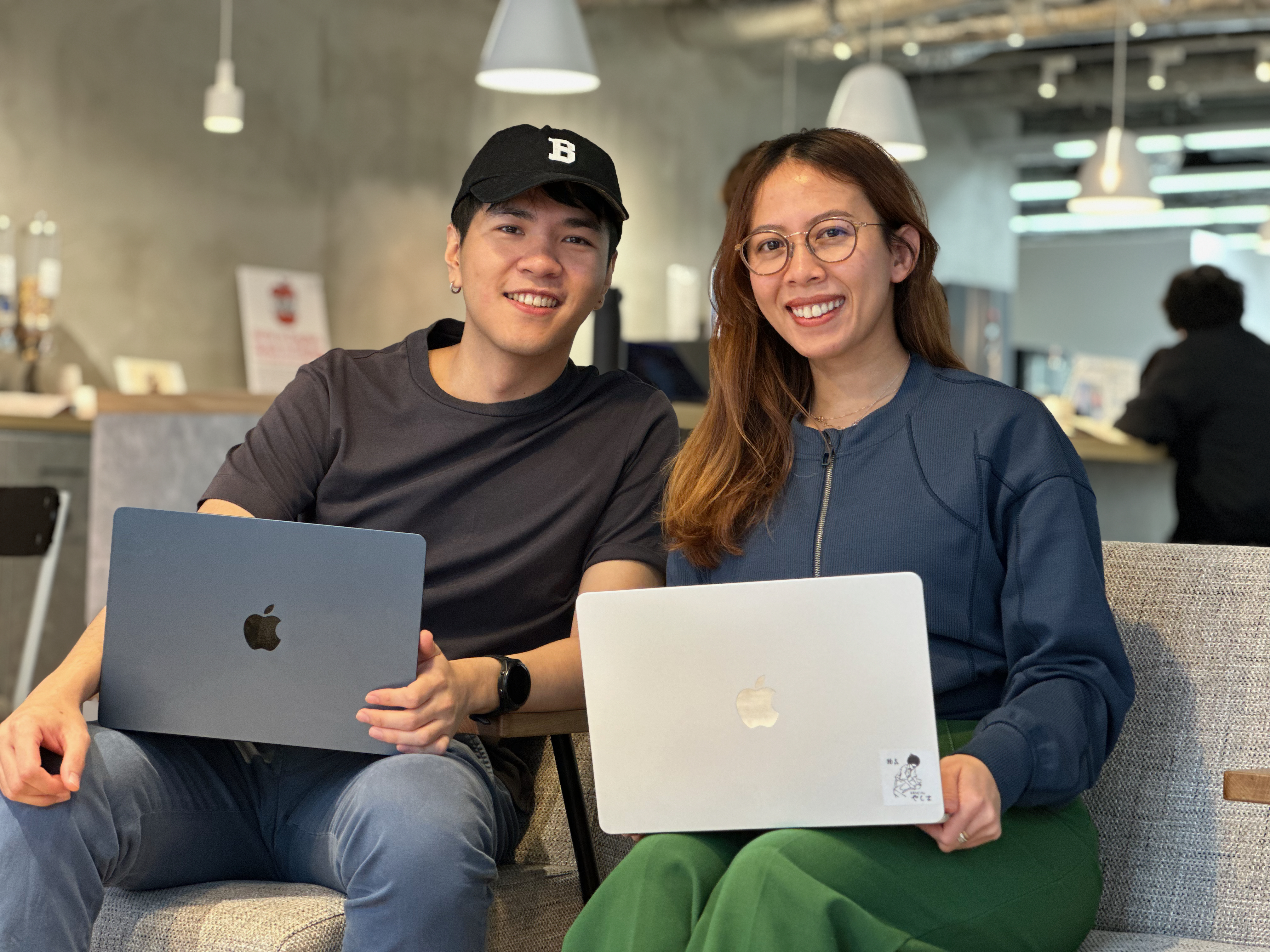
Kevin Hung has been HENNGE’s GIP Coordinator for the past two years, overseeing the entire internship recruitment and onboarding process. To connect with top talent, Kevin also takes part in domestic career fairs and helps organize international events such as the ASEAN Career Fair and other job fairs at leading Asian universities. Originally from Taiwan, Kevin joined HENNGE in 2021 as an assistant GIP coordinator while completing his final year of university.
Yuricia (Yuri) Vebrina has been with HENNGE for 10 years and currently serves as a GIP Coordinator. Hailing from Indonesia, she was the first non-engineer GIP intern in 2015 and joined the company full-time that same year. With extensive experience in employer branding and mid-career hiring, she has participated in job fairs and international tech conferences to build strategic partnerships.
Meet the Coordinators: A Closer Look at the Role

Kevin: I guess I’ve bought too many Mario LEGO sets that I’m kind of afraid to go to outlet stores now because there’s always a LEGO store somewhere, and that can be a problem!
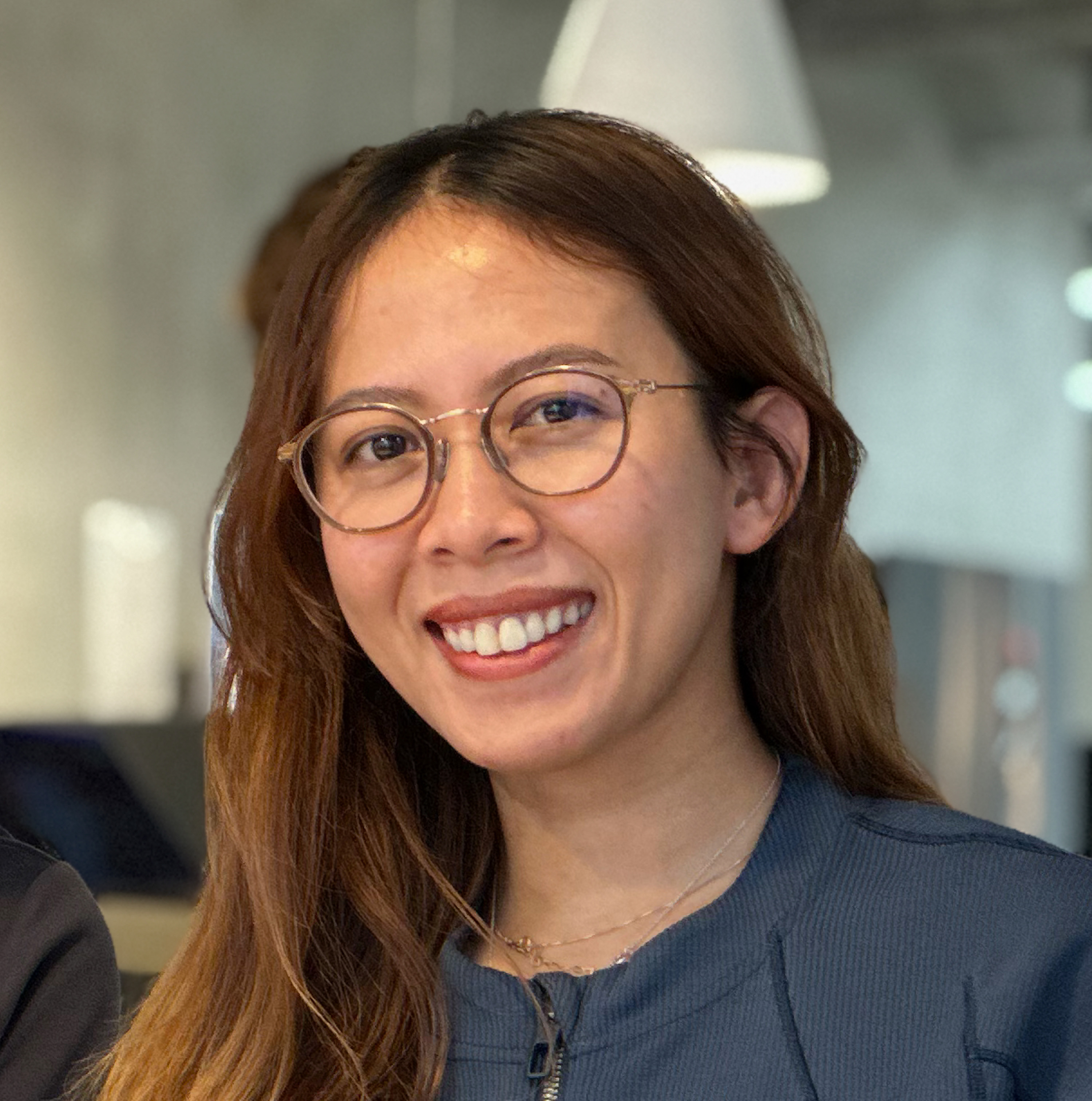
Yuri: Hmm, I think it would be that I’ve been to every continent, mainly because of work trips, except, of course, Antarctica. I also enjoy doing yoga and bouldering in my free time.
Cel: What are your core responsibilities, and what do you enjoy most about working with GIP interns?
Kevin: I handle job postings, maintain relationships with universities, participate in recruiting events, and manage recruitment pipeline operations. I also conduct casual interviews and assist with the onboarding process.
One of the most rewarding aspects for me is meeting people from around the world and having face-to-face interactions. It’s amazing to finally welcome GIP interns to the Shibuya head office after the initial online meetings!
Yuri: The GIP process includes document screening after candidates pass the coding challenge, and Kevin and I support that part as well. My role is to ensure they have a smooth onboarding experience. We also assist with visa procedures and help arrange accommodations.
It’s always wonderful to finally meet them in person, and it’s rewarding to see how their GIP experience contributes to their growth and development as engineers.
The Road to GIP

Cel: Who’s eligible to apply for the GIP, and what are the key requirements?
Kevin: The GIP is open to anyone with software development experience, whether through internships, personal projects, or other practical work. A formal background in software engineering isn’t required, but because of the technical nature of the coding challenge and interview, many applicants are software engineering majors. Some without formal engineering education have completed bootcamps or similar training programs.
Cel: How would you describe an ideal GIP candidate, and what important skills do they need to have?
Kevin: GIP candidates need to have a solid technical understanding. We look at how they solve problems and make coding decisions. We want to see their openness and adaptability when working with software documentation and how they collaborate across different teams.
For the technical aspect, we expect that candidates have knowledge of software development. The full-stack pathway is heavily back-end-focused, so knowing Python or Golang is essential, while the front-end pathway uses Vue or React with TypeScript.
It’s possible that future projects may involve new tech stacks, so being flexible and eager to learn new programming languages and tools is important. We have our shared values and principles, known as the HENNGE Way, which encourages a “learnaholic” mindset: staying curious, embracing continuous learning, and taking on challenges.
Cel: What’s the GIP application process like?
Yuri: Our process begins with a coding challenge. This gives us a sneak peek into how applicants might perform on actual tasks if selected. After completing and passing the coding challenge, we ask them to submit their resumes and cover letters, where we learn their personal stories.
Some GIP candidates come from unrelated disciplines, such as Social Studies, but that doesn’t mean they won’t be considered. Some of our best engineers have diverse academic backgrounds.
We hold casual interviews to assess the candidates’ communication skills, which are important soft skills. During the technical interview, we talk about their experience with the coding challenge and ask them to explain their portfolio in more detail. When they join the GIP, we also observe how they work in a team, whether they’re a good cultural fit, and how well they handle assigned tasks.
Cel: Why is the coding challenge the first step before the cover letter and resume?
Yuri: We want to make sure the process is fair for everyone. We try to avoid bias, whether it’s related to gender, nationality, university, or academic background. The coding challenge helps us evaluate if they’re suited for the role and able to handle the kind of work expected of them.

Cel: What qualities, skills, or experience are most important when evaluating GIP candidates?
Kevin: We’re looking for people with some project experience. It doesn’t have to come from a formal internship. It could be open source contributions, school projects, or any kind of team-based experience. Like Yuri said, we also assess how they communicate when expressing their opinions or facing challenges, work through different viewpoints, and resolve issues.
Their technical decision-making is important. For example, in software development, they might choose between options A, B, or C when working on a project. We’d like to hear why they chose A rather than B and if they can clearly explain their reasoning.
Yuri: To add to that, the GIP is primarily for junior engineers. HENNGE promotes a bottom-up culture, where we value people who are ready to work in this kind of environment. We look for those who take initiative, ask the right questions, and are comfortable challenging their mentors or managers when appropriate. This gives us a sense of how well they might adapt to our culture.
Cel: What advantages does the GIP offer to engineers with several years of work experience?
Kevin: For more senior candidates, the GIP is not just about learning what the company is like. It’s also a chance to experience life in Japan and see if they connect with the local working culture. This can help them decide whether this is the right environment for the next stage of their career.
Yuri: Yeah, like Kevin mentioned, it’s really about giving them the real experience of what it’s like working here. For some participants, a one-month commitment is often the most they can manage to take off from work, which is one of the reasons we adjusted the GIP duration to four weeks.
Cel: What advice would you give to GIP applicants who were unsuccessful in their first attempt? How can they improve their chances when reapplying?
Yuri: We wouldn’t recommend reapplying immediately after an unsuccessful attempt. It’s better to gain enough experience or reflect on how to improve their cover letter. We also encourage applicants to be authentic when sharing their personal motivation and explaining why HENNGE aligns with their goals. Of course, enriching their portfolio can help increase their chances of moving on to the next step.
Kevin: Additionally, regarding what Yuri said about reapplying, we recommend a waiting period of 9 to 12 months. This allows candidates to gain more experience, rather than just reattempting the coding challenge. What we really look for is meaningful progress reflected in their resumes, along with other factors. Applicants should be able to clearly explain their experience in their CVs. It also helps if they truly understand their projects and can discuss them in a way that even those without a software engineering background can understand.
Inside the Internship
Cel: What can interns typically expect on their first day?
Kevin: On their first day, interns are introduced to fellow HENNGE members and warmly greeted with a speech from our CEO, Ogura-san. They are then provided with company devices, such as laptops and smartphones. All interns gather for a casual lunch with members from the ETA and the engineering team. Later, they meet their mentors, who walk them through the details of their assignments and the overall project timeline.
Yuri: And to make things even more welcoming, we host a Welcome Café for all new joiners, including interns, and organize lunches to help them connect with people from different teams. Additionally, we have GIP lunches where HENNGE members join interns and explore restaurants around Shibuya, and we make sure to accommodate any dietary restrictions.
Cel: What can they look forward to during their internship?
Kevin: Most of the time, interns work on individual assignments with the help of their mentors. Our engineers created a sandbox project for interns to have hands-on experience in software development.
Regarding the full-stack development pathway, there are various teams focused on different tech stacks like Python, Golang, and TypeScript. Mentors consider each intern’s familiarity with these programming languages and typically assign them accordingly. For example, interns who are more comfortable with front-end languages might be placed on the TypeScript team.
Yuri: During their internship, interns gain a clearer understanding of our company and team culture, which can help them decide if this is the kind of environment they’d like to be part of. At the same time, we assess not only their technical skills but also their soft skills and how well they might fit within our engineering teams.
As part of their orientation, interns join introduction sessions to get to know the sub-teams and departments across HENNGE. After their internship, we may reach out to those interested in full-time opportunities. Interns are also encouraged to share their GIP experience on our Medium blog.
Kevin: We also have club activities (bukatsu) in the company. For example, Wednesday nights are board game nights. If HENNGE members or interns stay after work to play board games, the company pays for dinner. My personal favorite is the #fun-sweets-bu, where members bring sweets and lunches to share, and the company also covers the cost! There are many club activities that it’s difficult to join them all, and many former interns enjoyed meeting various HENNGE members through these activities.

Cel: What happens during the assignment period?
Yuri: Each intern will work individually and have a one-on-one mentor. They’ll have checkpoint meetings to review their assignment progress and a final meeting where they’ll present what they’ve done.
After the first assignment, they move on to their second assignment, where they’ll have one-on-one or group sessions with different mentors and other interns.
The third assignment is a bit unique: interns will take on a variety of tasks and get to know different sub-teams within the engineering department, as well as teams outside of it. We don’t want them to only focus on their assignments, but also learn about HENNGE as a whole, our products, and how collaboration happens across teams.
Cel: Are there specific guidelines or expectations interns should keep in mind during their internship?
Kevin: We’re a Japanese company, but we’re quite diverse and flexible in many ways. For example, we don’t have a dress code, and we have a hot-desking system. Transparency is also highly valued. In case they’ll be late due to train delays or personal reasons, it’s always best to communicate in advance. The same goes for meetings, which are sometimes scheduled back-to-back. Occasionally, clients or external guests might visit the office, so it’s important to be professional and courteous.
Yuri: During our Monthly Technical Sessions, interns are expected to give a brief presentation on any tech-related topic of their choice, which doesn’t need to be related to their assignments. It’s also a chance to practice public speaking as part of their GIP experience.
Cel: What happens during the last day of their internship?
Kevin: On their last day, we hold Honor Day, a small ceremony to mark the completion of the internship. Interns give a short speech, followed by messages from their mentors or other team members who want to share a few words. The CEO then delivers a message and presents each intern with a certificate. To wrap things up, we have a casual farewell pizza party where everyone can drop by and say a few kind words to the interns.
Life in Tokyo: Support and Final Advice
Cel: How does HENNGE support interns in adjusting to life in Tokyo?
Kevin: The company provides a round-trip flight ticket and an accommodation subsidy. We also offer administrative support for interns requiring visa assistance. If housing isn’t available on the day of their arrival or if they arrive late in Tokyo, we arrange a hotel stay.
Yuri: Prior to onboarding, we have a one-hour preparatory session to address any questions or concerns they might have, especially since some of them are coming to Japan for the first time or haven’t been abroad before. During pre-onboarding, we send out documents that include helpful information about living in Tokyo, such as which trains to take and how to use the Suica or PASMO commuter passes.
Cel: What are the interns’ overall impressions of the GIP?
Kevin: Many interns say the experience goes beyond their expectations. At first, some even think it’s too good to be true! Interns seem genuinely impressed that the program is conducted entirely in English. This is still quite rare in Japan, where most similar opportunities require at least some basic Japanese proficiency.
We also share photos and videos of our office and bukatsu (office club activities), which give them a better sense of our work culture. Values like transparency also stand out to them, which we often highlight in our info sessions.
Yuri: I think we’re ahead of the game as one of the first companies to bring in interns all over the world to Japan, provide comprehensive living subsidies, and give interns the opportunity to be considered for full-time roles. We’ve been running GIP since 2013, so we’re definitely one of the pioneers and have built a solid reputation.
The Medium blog, where interns share their stories, somehow validates the GIP experience. I think interns also help shape our culture by making it more diverse and welcoming, and that positive cycle just keeps going. We haven’t received any negative feedback so far, and we want to keep it that way.
Cel: Do you have any tips or advice for interns on how to learn effectively, grow their skills, and make the most of their experience at HENNGE?
Kevin: Interns would learn much more if they asked for as much feedback as possible. While mentors hold regular meetings to track progress, it’s usually the interns’ responsibility to request feedback or opinions since it’s their own assignment. It’s important for mentors to see interns taking initiative and showing interest by asking questions. Interns who do this tend to perform better during the internship, which may help increase their chances of being considered for full-time roles.
Yuri: What matters most is that interns are curious and eager to learn. Like Kevin mentioned earlier, being a “learnaholic” is very much part of the HENNGE spirit. We encourage transparency instead of just trying to make a good impression. If interns feel their mentor isn’t checking in enough, they should take the initiative to reach out and share what they’re working on. Since we have a bottom-up culture, we’re looking for people who can lead themselves and be proactive.
Ready to experience Japan’s most global software engineering internship? Apply now and dive into impactful projects that will level up your coding chops and prepare you for success in the global tech world.
Cel: Hello, Kevin and Yuri! Thanks so much for taking the time to chat with us about HENNGE’s GIP program. To kick things off, let’s start with a quick icebreaker: what are some fun facts about you that most people don’t know?